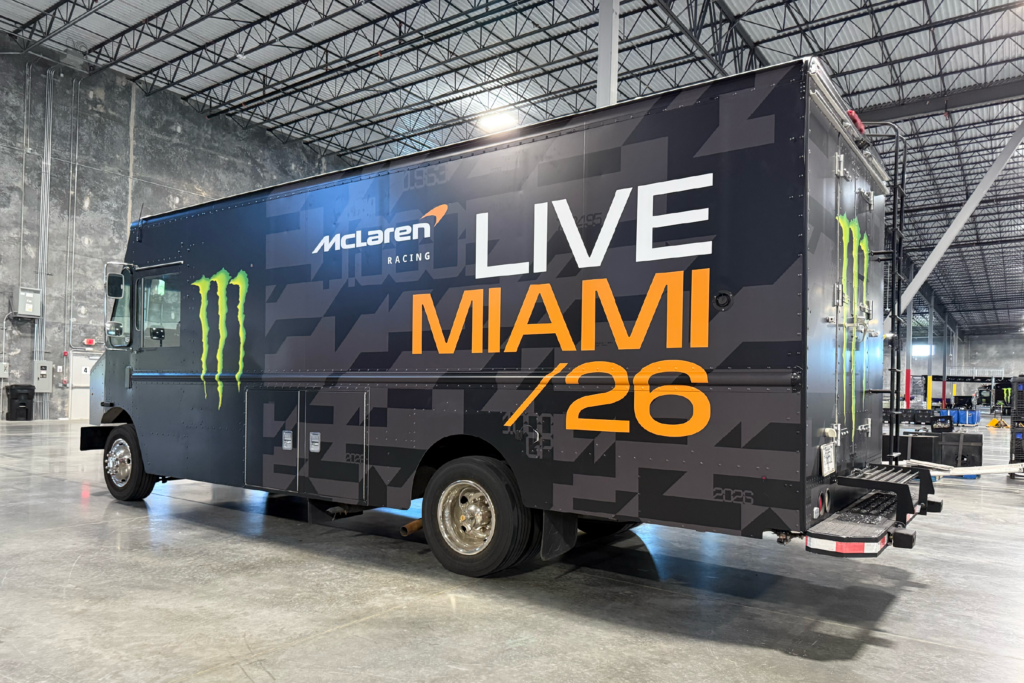
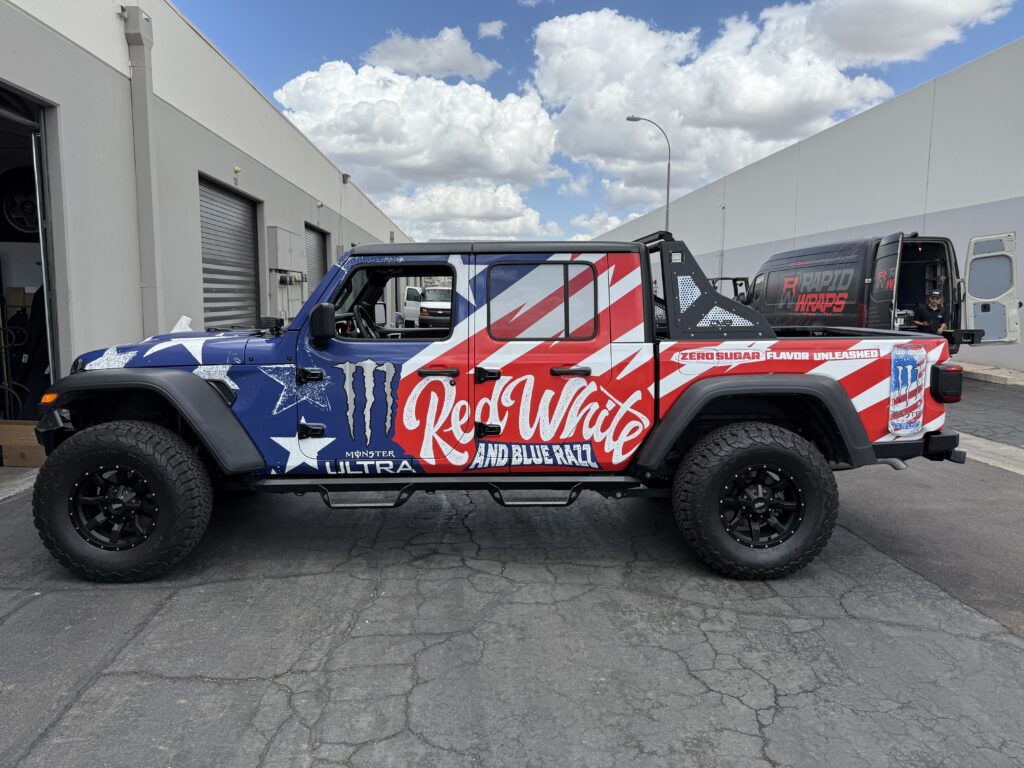
From Monster Energy and Bang to businesses across Southern California, some of the biggest names in the game trust us to deliver. Whether it’s a national brand or a local fleet, every project gets the same premium treatment.
Vehicle Wraps for Everything You Drive, Tow, or Haul
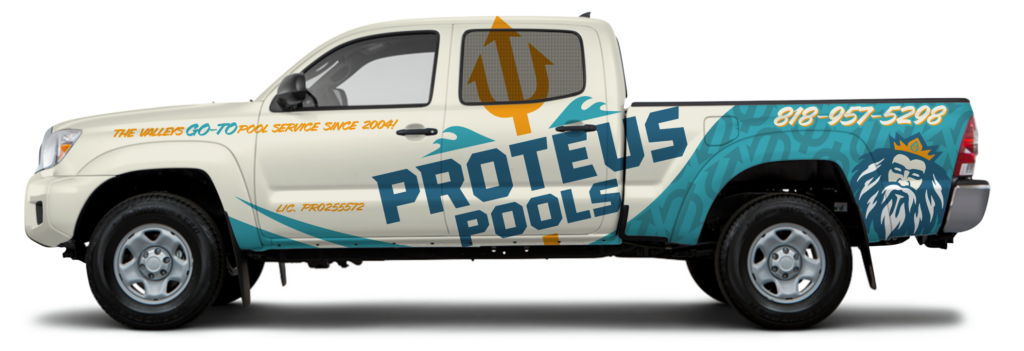
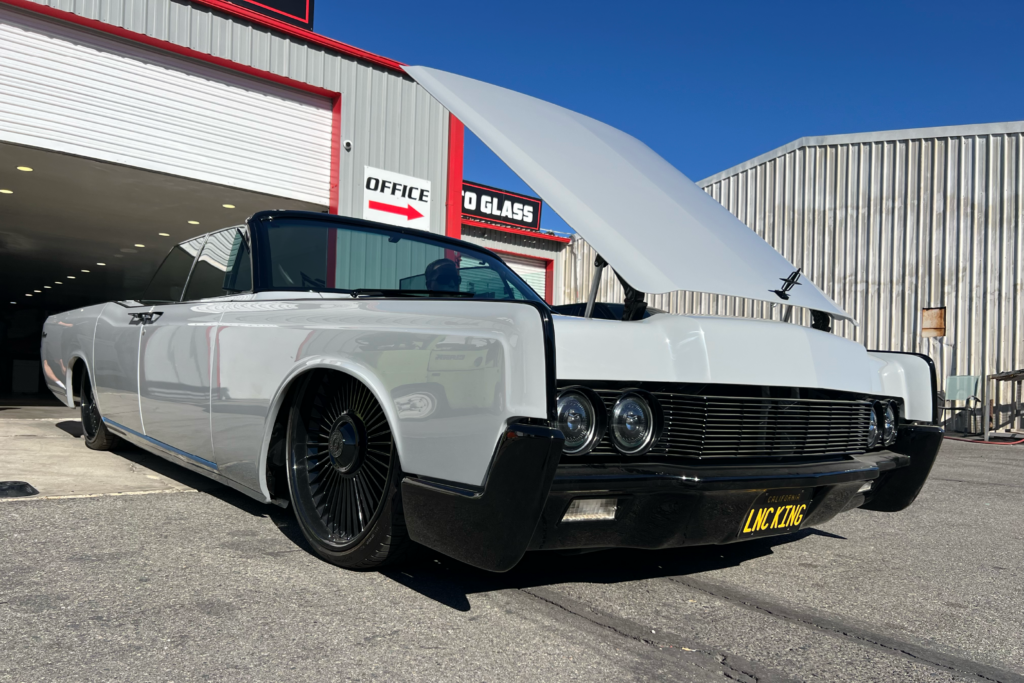
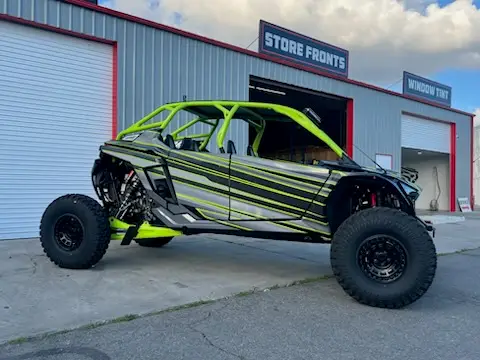
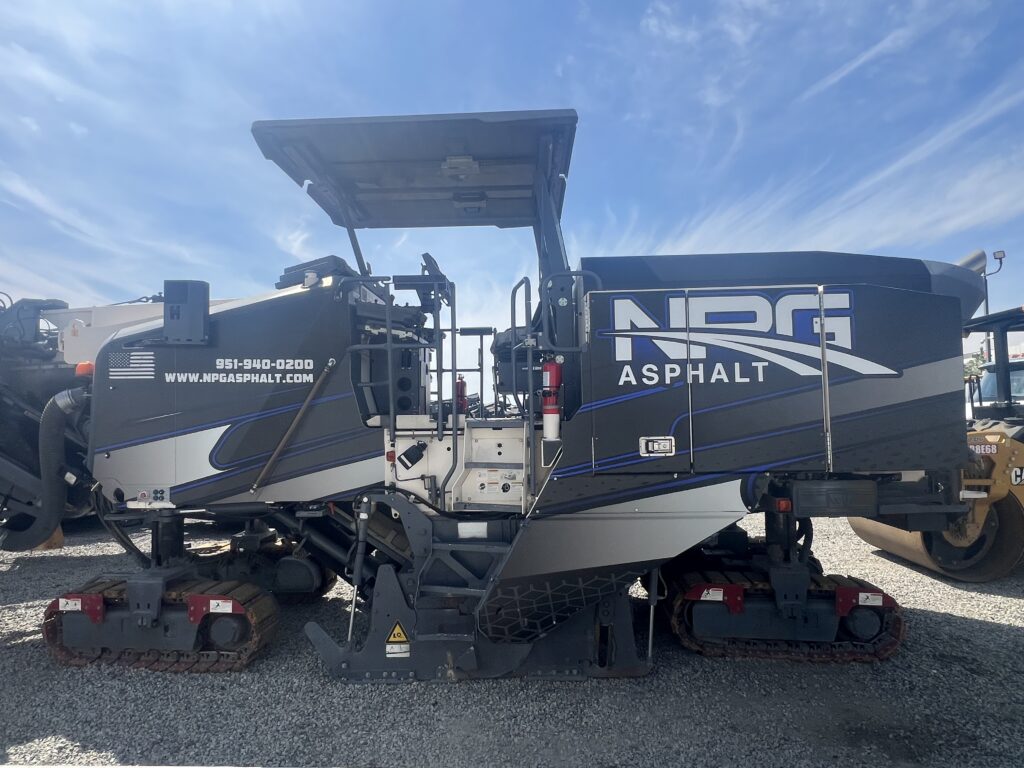
When most people hear “vehicle wrap,” they picture a car. We wrap those every week — but at Rapid Wraps and Tint, “vehicle” means anything with a surface worth transforming or protecting: work trucks and full commercial fleets, RVs and trailers, boats, UTVs, and heavy equipment.
The reasons stay the same at every scale. A wrap changes how something looks without the cost or permanence of paint. It puts a protective vinyl layer between the elements and the finish underneath. And for anything that works for a living, it turns every mile driven — and every hour parked at a job site, marina, or trailhead — into advertising you pay for once.
Here’s what to know before wrapping anything, plus how each type of wrap earns its keep.
What Is a Vehicle Wrap?
A wrap is a specialized vinyl film, roughly three to four thousandths of an inch thick, applied directly over a painted or gelcoat surface. It’s nothing like a sticker: modern wrap films use pressure-activated adhesives with built-in air-release channels, so a trained installer can position each panel precisely, work the air out as it goes down, and bond it permanently only when everything sits right. With heat, premium cast vinyl stretches around curves, recesses, and hardware until the result reads as paint — and the same principles scale from a sedan door to the slab side of a forty-foot motorhome.
Just as important, a wrap is designed to come back off. Removed correctly from a healthy factory finish, the vinyl releases cleanly, and the surface underneath has usually aged better than an unwrapped one, because it spent those years covered.
Vehicle Wraps we offer
From custom wraps and premium tint to paint protection and glass repair, we offer complete solutions for your vehicle, boat, home, or business. Every job is backed by quality materials and expert installation. And this is just the start — if you don’t see what you’re looking for below, reach out and ask.
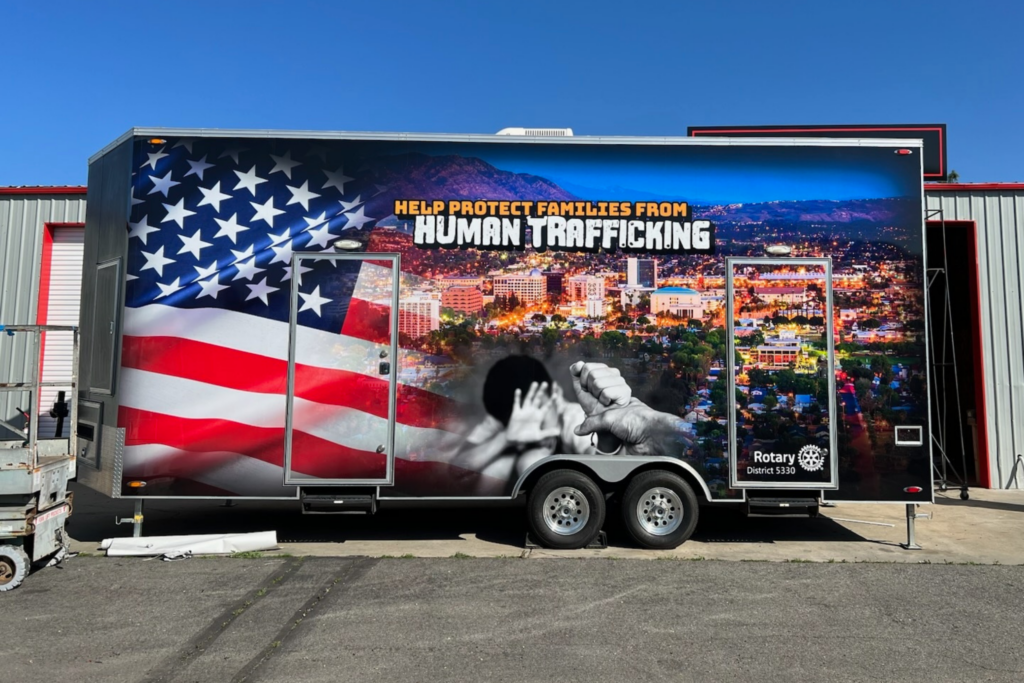
RV & TRAILER WRAPS
A completely new look with hundreds of colors and finishes, all while protecting your factory paint underneath.
For nearly a decade, drivers and businesses across Southern California have trusted us with their vehicles, boats, homes, and storefronts. We’ve built our reputation one job at a time — but don’t just take our word for it. Here’s what our customers have to say.
Request a quote
Ready to transform your ride? Tell us what you’re looking for and we’ll put together a custom quote — fast, free, and with no pressure. Premium results start with a simple conversation.
Not All Vinyl Is Created Equal
The biggest difference between a wrap that still looks sharp in year six and one cracking and peeling in year two usually isn’t the installer’s patience — it’s the material and the method. This matters even more when “vehicle” ranges from a commuter car to a boat hull to a skid steer, because the right film differs by job.
Cast vs. calendered vinyl. Cast film is poured as a liquid and cured flat, so it has no mechanical “memory” pulling it back toward its original shape — that’s what lets it hug curves and stay put for years. Calendered film is rolled and stretched during manufacturing, which makes it cheaper and makes it want to shrink back, especially with heat cycling. It has legitimate uses on flat panels and short-term graphics; it’s the wrong material for a long-term wrap on anything with curves, no matter what the low quote says.
Lamination on printed wraps. A printed wrap without a UV-protective laminate is a countdown clock. The laminate keeps inks from fading and gives the graphic its scratch resistance and finish — non-negotiable on anything that lives outside, which is most of what we wrap.
Exposure ratings are real. Manufacturers rate film durability differently for vertical surfaces versus horizontal ones like hoods, roofs, and decks, and lower still in hot, high-UV climates. A quality shop matches the film to the vehicle’s actual life — highway fleet, freshwater lake, open desert — not just the sample book.
Installation environment and post-heating. Vinyl wants a clean, controlled space at moderate temperature, and every stretched or recessed area needs a final heat pass after installation. Post-heating resets the film’s memory in its finished shape so edges and channels don’t creep back out the first time the vehicle sits in summer sun.
Commercial Wraps: Advertising That Clocks In Every Day
For a service business, wrapped vehicles and trailers are the only ads that work your entire route. Industry estimates put the daily viewing audience for a wrapped vehicle in the tens of thousands of impressions — with no monthly invoice attached. The wrap you buy once keeps selling for years, including every hour it spends parked at job sites and in customers’ driveways, where the neighbors are your next leads.
There’s a credibility effect, too. A clean, professionally wrapped truck makes a two-vehicle operation look like an established company; a trailer and equipment in matching graphics make a job site look like a company that finishes what it starts. For most trades, the math works out to some of the cheapest cost-per-impression marketing available anywhere.
Vehicle WRaps - Frequently asked questions
Will a wrap damage my paint?
No — on healthy factory paint, a professionally installed and removed wrap protects the finish rather than harming it. The one caution is repainted or damaged surfaces: low-quality resprays can lift during wrap removal, which is something we check for and flag before installation.
Can I wrap a leased vehicle?
Yes, and it's one of the most popular reasons to wrap. Because vinyl is removable, you can drive the color or branding you want and return the vehicle to stock before turning it in.
How long does installation take?
Most full wraps take about three to five business days, including prep and post-installation checks. Partial wraps, lettering, and accents are often faster.
What if one panel gets damaged?
That's a genuine advantage of vinyl: a scraped door or bumper can be rewrapped individually and blended with the rest of the vehicle — no repainting, no color matching an entire side.
Can a wrap hide dents or rust?
No. Vinyl conforms tightly to the surface, so imperfections telegraph through — and wrapping over rust traps the problem. We'll assess your paint honestly during your quote.
Should I get window tint at the same time?
It's a natural pairing, especially here. Tint cuts cabin heat and UV in Hemet summers the same way a wrap protects your exterior, and doing both in one visit means one appointment and one cohesive look.
Areas We Serve in California
Our shop is based in Hemet, and we regularly wrap vehicles in Southern California and across the United States. A wrap is solid protection for a vehicle that deals with valley heat and mountain sun in the same week.






 CALL NOW